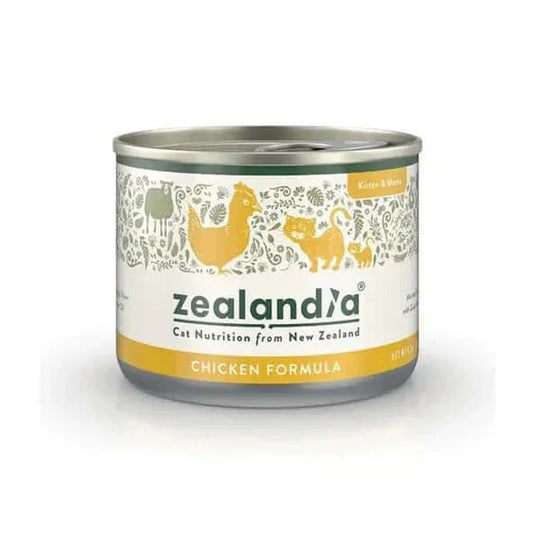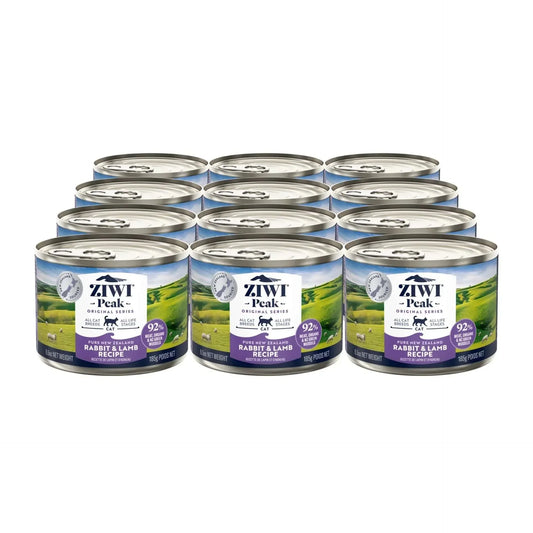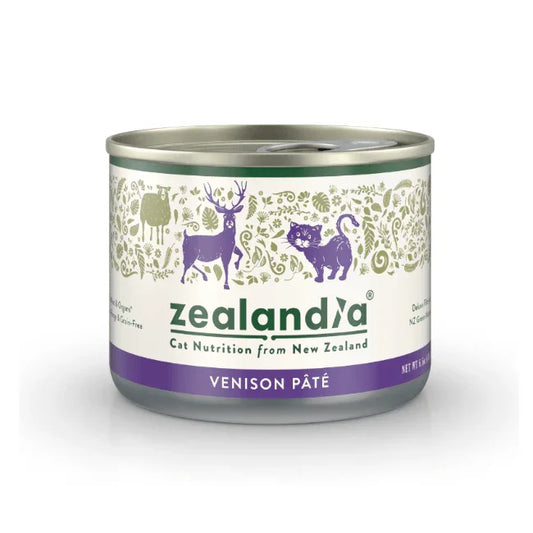
















Wet cat food is how most indoor cats actually get enough water, and the brand you pick changes everything from palatability to long-term urinary health. At Petroom, we stock cat wet food from Ziwi Peak, Orijen, Zealandia and Talentail — grain-free pâtés and cans most cats clean up without fuss.
-
Vendor: ZIWI
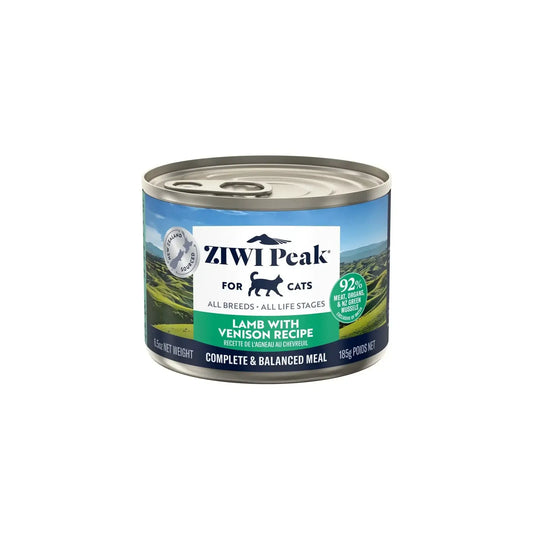
Ziwi Peak Lamb with Venison Wet Cat Food – Multipack
Ziwi Peak Lamb with Venison Cat Wet Food Treat your pet to Ziwi Peak Lamb Venison Cat Food, a moisture-dense pâté featuring two of New Zealand's finest free-range red meats. For cats who enjoy rich red meat flavours, this wet cat food offers a...- from $59.59 AUD
$74.39 AUD- from $59.59 AUD
- (-20%)
- Unit price
- per
-
Vendor: ZIWI
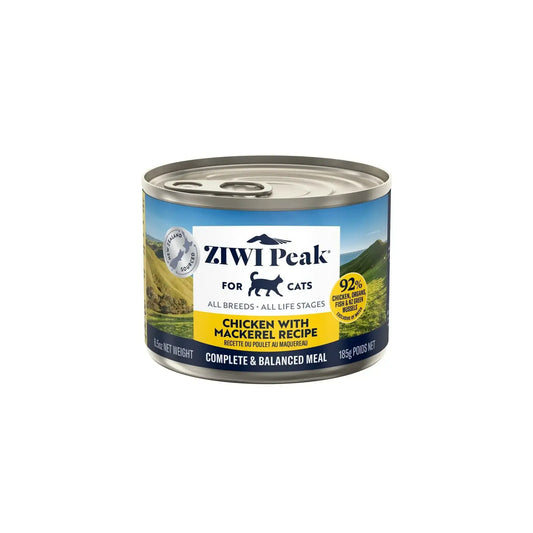
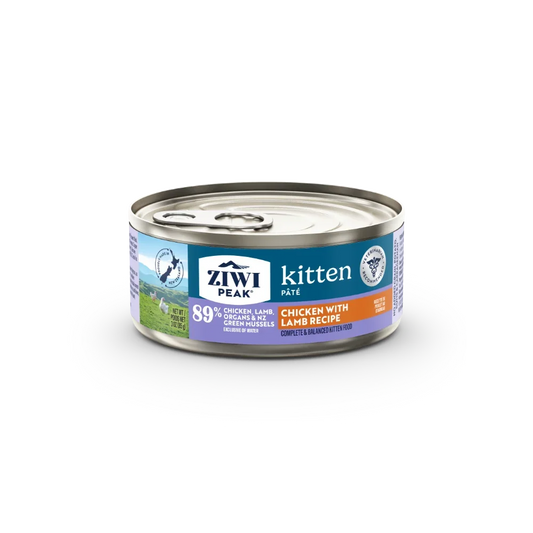
Ziwi Peak Chicken with Mackerel Fish Wet Cat Food – Multipack
Ziwi Peak Chicken With Mackerel Fish Cat Wet Food Pure protein. Zero compromise. ZIWI Peak Chicken with Mackerel Wet Cat Food provides the nutrition your kitty is hard-wired to want and crave — a rich, moisture-dense pâté prepared with real, ethically sourced ingredients and...- from $59.59 AUD
$74.39 AUD- from $59.59 AUD
- (-20%)
- Unit price
- per
-
Vendor: ZIWI
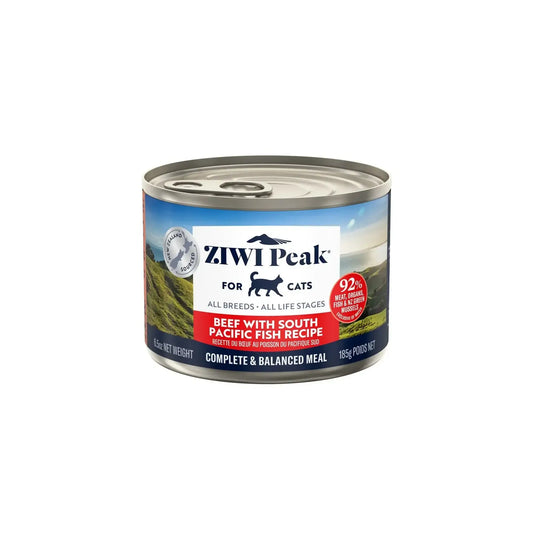
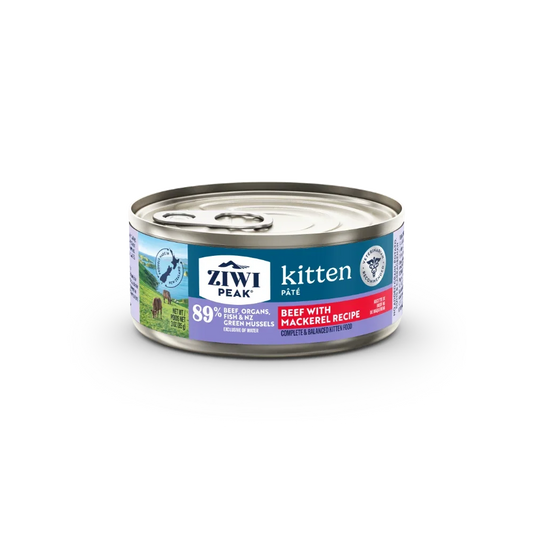
Ziwi Peak Beef with South Pacific Fish Wet Cat Food – Multipack
Ziwi Peak Beef With South Pacific Fish Cat Wet Food Give your pet the nutrition nature intended with Ziwi Peak Beef and Fish Cat Food, a premium recipe crafted in New Zealand. For cats who enjoy both rich red meat and ocean flavour, this...- from $59.59 AUD
$74.39 AUD- from $59.59 AUD
- (-20%)
- Unit price
- per
-
Vendor: Orijen
Orijen Salmon & Chicken Chunks & Shreds Adult Wet Cat Food 155g ×6
Orijen Salmon & Chicken Chunks & Shreds Adult Wet Cat Food 155g ×6 Made for cats who come running at the first scent of fish, this premium wet cat food brings together wild-caught salmon, chicken, nourishing organ meat and rich bone broth in a...- $26.99 AUD
$29.99 AUD- $26.99 AUD
- (-10%)
- Unit price
- per
-
Vendor: Orijen
ORIJEN Original Chunks & Shreds Adult Wet Cat Food 155g ×6
ORIJEN Original Chunks & Shreds Adult Wet Cat Food 155g ×6 Made for cats who deserve more than an ordinary bowl, ORIJEN Original Chunks & Shreds combines 95% animal ingredients, two satisfying textures and up to 85% moisture in every 155g can. This premium...- $26.99 AUD
$29.99 AUD- $26.99 AUD
- (-10%)
- Unit price
- per
-
Vendor: Petroom
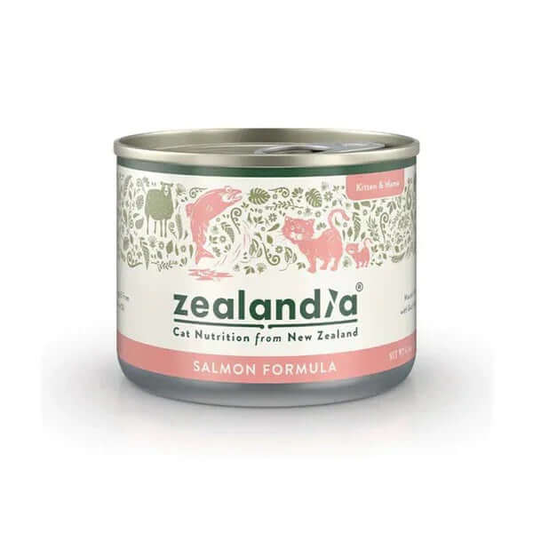
Zealandia Mousse Pate Salmon for Kitten & Mama - Grain-Free Wet Cat Food
Zealandia Mousse Pate Salmon for Kitten & Mama Raising kittens and nursing mothers have two things in common: exceptional nutritional demands and very little margin for a substandard meal. Zealandia Mousse Pâté Salmon is a complete, balanced kitten wet food built specifically for both...- from $4.76 AUD
$5.42 AUD- from $4.76 AUD
- (-15%)
- Unit price
- per
-
Vendor: Petroom
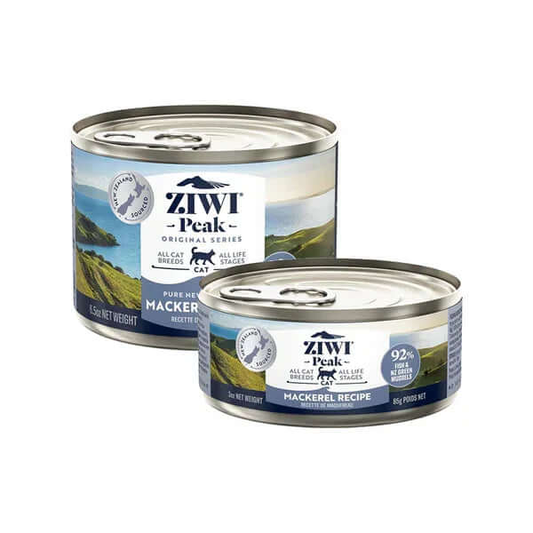
ZIWI Peak Mackerel Canned Wet Cat Food – Multipack
ZIWI Peak Mackerel Canned Wet Cat Food | 85g / 185g Description Some cats need a short and carefully considered ingredient list. Not because short is inherently better, but because when you are dealing with a cat that reacts to common land-animal proteins such...- from $59.59 AUD
$74.39 AUD- from $59.59 AUD
- (-20%)
- Unit price
- per
-
Vendor: Talentail
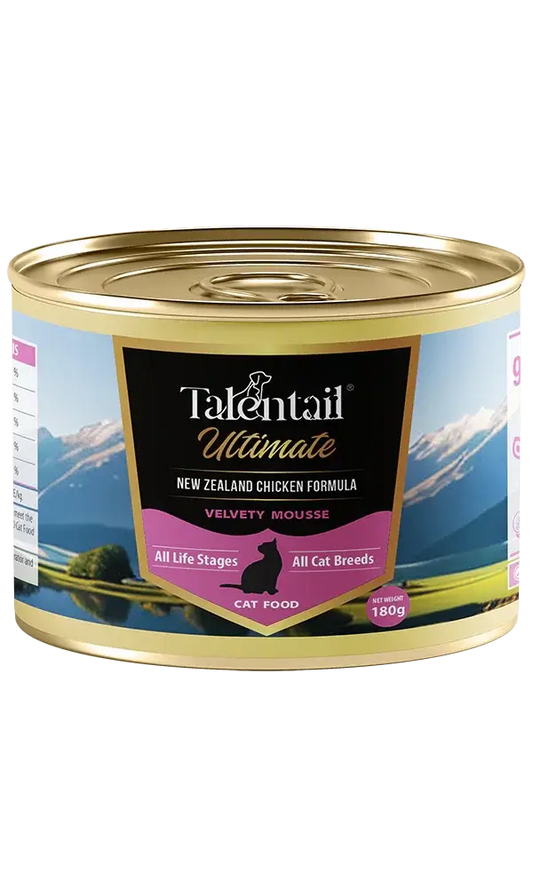
Talentail Ultimate New Zealand Chicken Mousse Cat Wet Food 180g
Talentail Ultimate New Zealand Chicken Mousse Cat Wet Food Indulge your cat with the finest in feline nutrition — Talentail Ultimate Chicken Mousse, a luxuriously soft formula crafted from an outstanding 93% New Zealand free-range chicken meat, organs, and broth. This ultra-high meat, single-protein...- from $4.69 AUD
$5.95 AUD- from $4.69 AUD
- (-31%)
- Unit price
- per
-
Vendor: Talentail
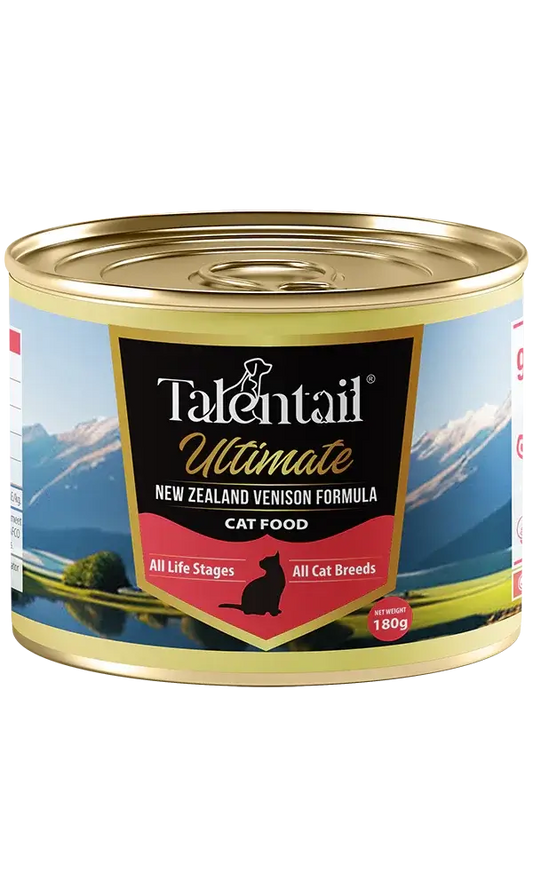
Talentail Ultimate New Zealand Venison Wet Cat Food 180g
Talentail Ultimate New Zealand Venison Cat Wet Food Treat your cat to something truly extraordinary with Talentail Ultimate Venison — a rare and exceptional formula built on 92% New Zealand free-range venison, organs, and bone. Nurtured on verdant native grasses in an optimal natural...- from $5.49 AUD
$6.95 AUD- from $5.49 AUD
- (-31%)
- Unit price
- per
-
Vendor: Talentail
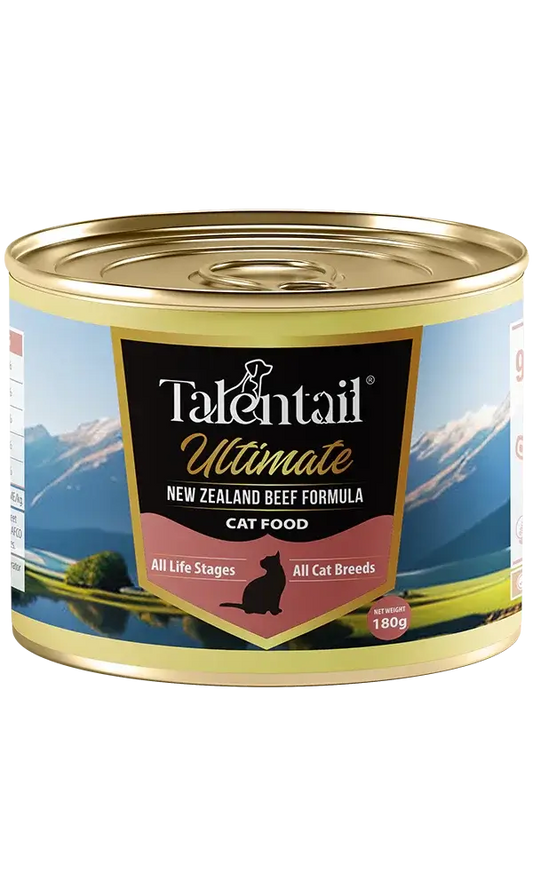
Talentail Ultimate New Zealand Beef Cat Wet Food 180g
Talentail Ultimate New Zealand Beef Cat Wet Food Introduce your cat to the pinnacle of feline nutrition with Talentail Ultimate — a masterfully crafted formula built on 92% New Zealand grass-fed beef, organs, and bone. Raised year-round on lush native pastures in a free-range...- from $4.69 AUD
$5.95 AUD- from $4.69 AUD
- (-31%)
- Unit price
- per
-
Vendor: Talentail
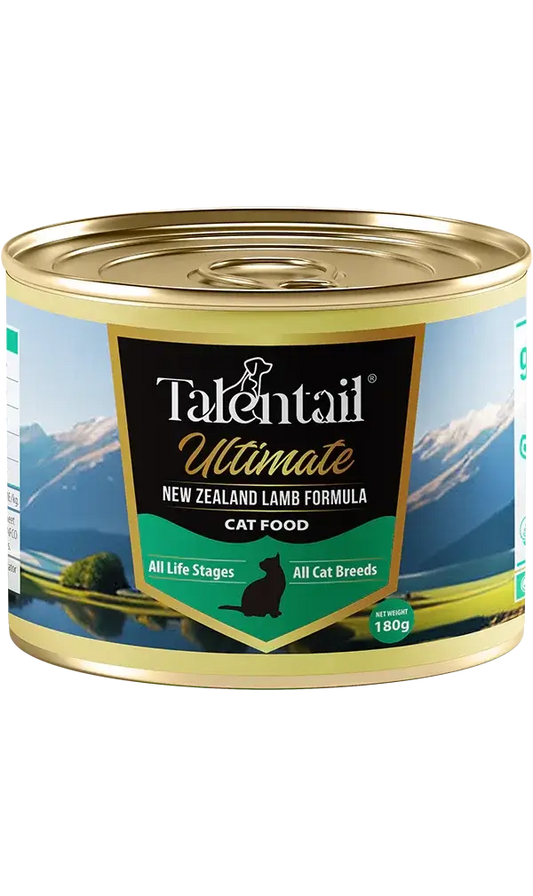
Talentail Ultimate New Zealand Lamb Wet Cat Food 180g
Talentail Ultimate New Zealand Lamb Cat Wet Food Elevate your cat's mealtime with Talentail Ultimate — a powerhouse formula built on 92% lamb, organs, and bone, delivering rich, complete nutrition that mirrors your cat's natural dietary needs. Sourced exclusively from the pristine Oceania region,...- from $4.69 AUD
$5.95 AUD- from $4.69 AUD
- (-31%)
- Unit price
- per
-
Vendor: Talentail
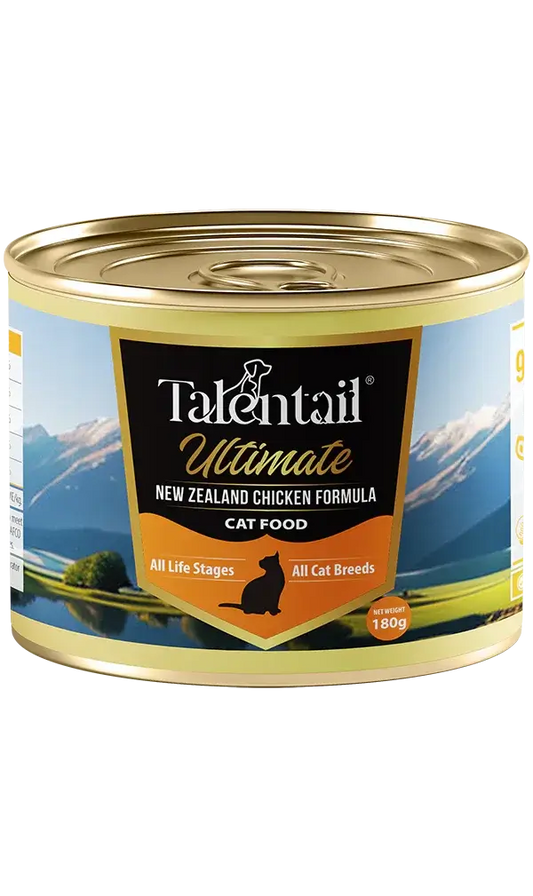
Talentail Ultimate New Zealand Chicken Wet Cat Food 180g
Talentail Ultimate New Zealand Chicken Cat Wet Food Give your cat the nutrition they deserve with our 92% meat-rich formula, crafted from premium chicken, salmon, organs, and bone — sourced exclusively from the pristine Oceania region. Every can delivers 100% top-tier ingredients with zero compromise,...- from $4.69 AUD
$5.95 AUD- from $4.69 AUD
- (-31%)
- Unit price
- per
-
Vendor: Taste Of The Wild
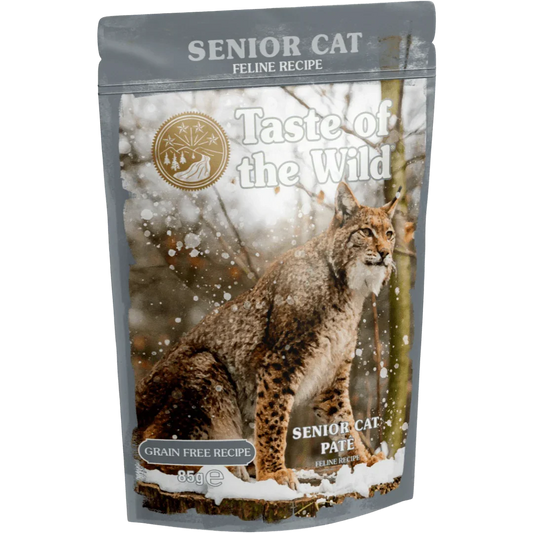
Taste of the Wild Grain-Free Senior Cat Recipe - Chicken Pate 85g x 12 Pack – Senior Wet Cat Food
Taste of the Wild Grain-Free Senior Cat Recipe Support your cat’s golden years with the tailored nutrition of Taste of the Wild Senior Cat Recipe. As cats age, their nutritional needs shift toward high-quality, easily digestible proteins and joint support. This grain-free Chicken Pate...- $39.95 AUD
$41.88 AUD- $39.95 AUD
- (-5%)
- Unit price
- per
-
Vendor: Taste Of The Wild
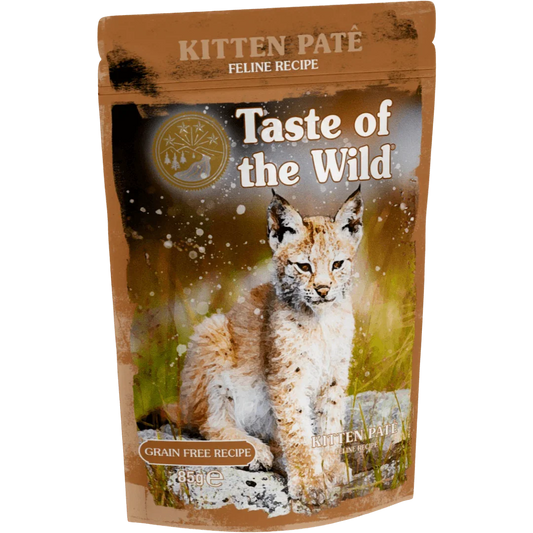
Taste of the Wild Grain-Free Kitten Recipe - Chicken Pate 85g x 12 Pack – DHA-Rich Wet Cat Food for Kittens
Taste of the Wild Grain-Free Kitten Recipe Give your kitten the ultimate nutritional start with Taste of the Wild Kitten Recipe. This grain-free Chicken Pate is specifically crafted for the unique developmental needs of growing kittens. Featuring high-quality poultry as the primary protein source,...- $39.95 AUD
$41.88 AUD- $39.95 AUD
- (-5%)
- Unit price
- per
-
Vendor: Taste Of The Wild
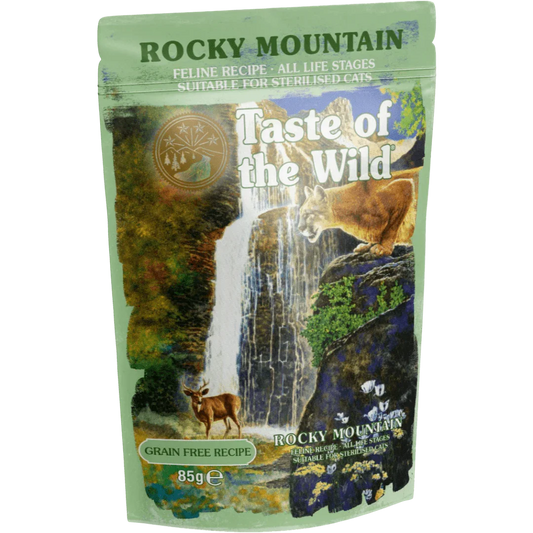
Taste of the Wild Grain-Free Rocky Mountain Feline Recipe - Chunks in Gravy 85g x 12 Pack – Chicken & Salmon Wet Cat Food
Taste of the Wild Grain-Free Rocky Mountain Feline Recipe Bring a taste of the wild to your cat's bowl with the Rocky Mountain Feline Recipe. This grain-free wet food features tender chunks of high-quality chicken and salmon slow-cooked in a savory, hydrating gravy. Formulated...- $39.95 AUD
$41.88 AUD- $39.95 AUD
- (-5%)
- Unit price
- per
-
Vendor: Taste Of The Wild
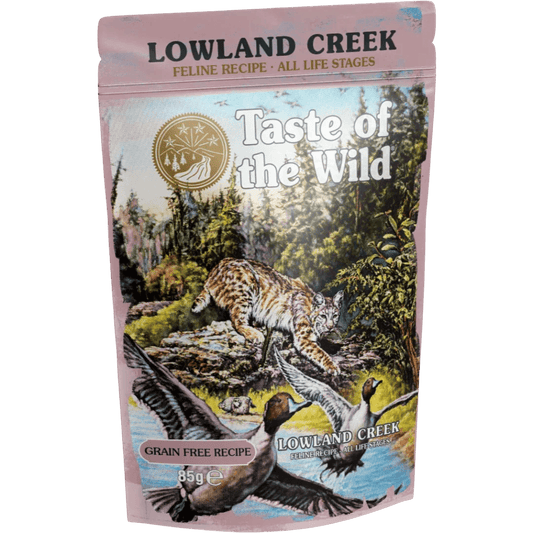
Pre Order-Taste of the Wild Grain-Free Lowland Creek Feline Recipe - Chunks in Gravy 85g x 12 Pack – Turkey & Duck Wet Cat Food
Taste of the Wild Grain-Free Lowland Creek Feline Recipe Satisfy your cat's ancestral cravings with the Taste of the Wild Lowland Creek Feline Recipe. This grain-free wet food features tender chunks of high-quality turkey and duck slow-cooked in a savory, hydrating gravy. Formulated to...- $39.95 AUD
$41.88 AUD- $39.95 AUD
- (-5%)
- Unit price
- per
-
Vendor: Taste Of The Wild
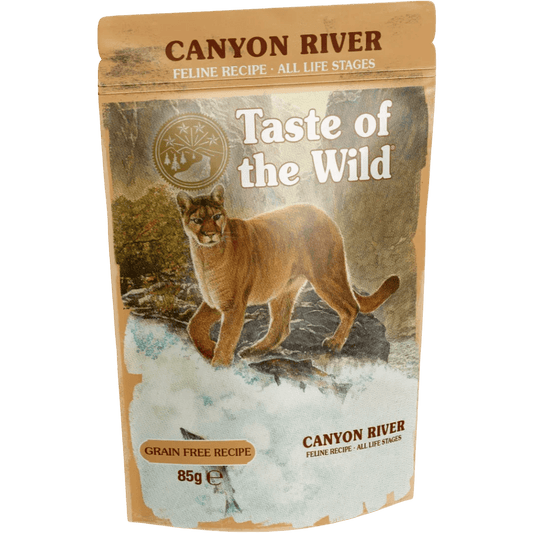
Pre Order-Taste of the Wild Grain-Free Canyon River Chunks in Gravy 85g x 12 Pack – Trout & Poultry Wet Cat Food
Taste of the Wild Grain-Free Canyon River Chunks in Gravy 85g x 12 Pack Satisfy your cat’s primal instincts with the Taste of the Wild Canyon River Feline Recipe. Inspired by the fresh, untamed rivers of nature, this grain-free wet food features tender chunks...- $39.95 AUD
$41.88 AUD- $39.95 AUD
- (-5%)
- Unit price
- per
-
Vendor: Taste Of The Wild
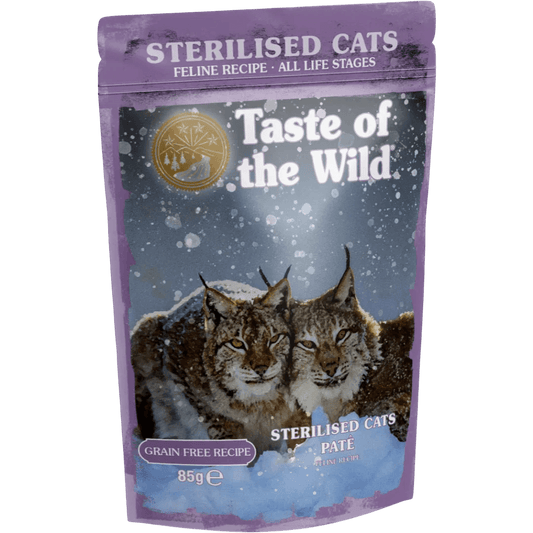
Taste of the Wild Grain Chicken Pate 85g x 12 Pack – Indoor & Sterilized Wet Cat Food
Taste of the Wild Grain Chicken Pate 85g x 12 Pack Specially formulated for the unique lifestyle of indoor and neutered cats, the Taste of the Wild Indoor/Sterilized Cat Recipe offers a nutrient-dense, grain-free meal without excess calories. This silky Chicken Pate provides high-quality...- $39.95 AUD
$41.88 AUD- $39.95 AUD
- (-5%)
- Unit price
- per
-
Vendor: Zealandia
Zealandia Mousse Pate Chicken Kitten & Mama Cat Can | Gentle Wet Cat Food for Weaning & Nursing
Zealandia Mousse Pate Chicken Kitten & Mama Cat Can Like all Zealandia Kitten & Mama formulas, 95% of the recipe is meat, organs, and NZ Green Mussel. Five whole-animal lamb organ cuts — liver, lung, green tripe, heart, and kidney — deliver naturally occurring...- from $4.76 AUD
$5.42 AUD- from $4.76 AUD
- (-12%)
- Unit price
- per
-
Vendor: ZIWI
ZIWI Peak Rabbit & Lamb Recipe Grain-Free Canned Wet Cat Food – Multipack
ZIWI Peak Rabbit & Lamb Grain-Free Canned Cat Food | 85g / 185g Description What makes this recipe unusual isn't just that it contains rabbit — it's that it contains two distinct rabbit-family proteins. Domestic rabbit meat leads the ingredient list, followed later by...- from $75.69 AUD
$91.20 AUD- from $75.69 AUD
- (-17%)
- Unit price
- per
-
Vendor: ZIWI
Ziwi Peak Wet Cat Food Venison 85g
Ziwi Peak Wet Cat Food Venison 85g Single Protein, Free-Range New Zealand Venison Give your cat the best nature has to offer with ZIWI Peak Venison, a nutrient-dense, single-protein recipe crafted from free-range, grass-fed venison ethically raised in New Zealand. This premium wet cat...- from $4.69 AUD
$5.50 AUD- from $4.69 AUD
- (-15%)
- Unit price
- per
-
Vendor: ZIWI
Ziwi Peak Wet Cat Food Lamb Cans
Ziwi Peak Wet Cat Food Lamb Cans Single-Protein Recipe Ziwi Peak Wet Cat Food Lamb is a premium, single-protein recipe. It features free-range, grass-fed lamb ethically raised on local New Zealand farms. This nutrient-rich cat food reflects a natural carnivorous diet. It provides 92%...- from $3.59 AUD
$4.40 AUD- from $3.59 AUD
- (-20%)
- Unit price
- per
-
Vendor: ZIWI
Ziwi Peak Wet Cat Food Mackerel And Lamb Cans
Ziwi Peak Wet Cat Food Mackerel And Lamb Cans Ziwi Peak Wet Cat Food Mackerel And Lamb is a high-protein, grain-free recipe. It is crafted from the finest natural ingredients. This can of wet cat food brings together quality and nutrition in a convenient...- from $3.59 AUD
$4.40 AUD- from $3.59 AUD
- (-20%)
- Unit price
- per
-
Vendor: ZIWI
Ziwi Peak Wet Cat Food Beef Cans
Ziwi Peak Wet Cat Food Beef Cans High-Protein, Single-Protein Recipe with Free-Range New Zealand Beef Give your cat the natural nourishment they crave with Ziwi Peak Wet Cat Food Beef, a premium grain-free, protein-rich recipe made from 100% free-range, grass-fed New Zealand beef. Each...- from $3.59 AUD
$4.40 AUD- from $3.59 AUD
- (-20%)
- Unit price
- per
-
Vendor: ZIWI
Ziwi Peak Chicken Wet Cat Food Cans
ZIWI Peak Chicken Wet Cat Food Cans Grain-Free, High-Protein New Zealand Chicken Recipe for Cats Give your cat the nourishment nature intended with ZIWI Peak Chicken Wet Cat Food Cans, a premium grain-free wet cat food made from ethically sourced, free-range New Zealand chicken. Crafted...- from $3.59 AUD
$4.40 AUD- from $3.59 AUD
- (-20%)
- Unit price
- per
-
Vendor: Orijen
Orijen Chunks and Shreds Salmon and Chicken Wet Cat Food 85g x12
Orijen Chunks and Shreds Salmon and Chicken Wet Cat Food 85g x12 Orijen Chunks and Shreds Salmon and Chicken is a high-protein meal created for adult cats, combining 95% premium animal ingredients with a soft, moisture-rich texture. This biologically appropriate wet cat food features...- $44.59 AUD
$54.95 AUD- $44.59 AUD
- (-19%)
- Unit price
- per
-
Vendor: Orijen
Orijen Chunks & Shreds Regional Red Wet Cat Food 85g x12
Orijen Chunks & Shreds Regional Red Wet Cat Food Adult Cats Lamb and Tuna Recipe, High Protein Grain-Free Fill your cat’s innate carnivorous appetite with Orijen Chunks & Shreds Regional Red Wet Cat Food. This carefully crafted recipe is a protein-packed dish made with...- $44.59 AUD
$54.95 AUD- $44.59 AUD
- (-19%)
- Unit price
- per
-
Vendor: Orijen
Orijen Chunks and Shreds Duck & Liver Cat Wet Food 85g x12
Orijen Chunks and Shreds Duck and Liver Cat Wet Food Orijen Chunks and Shreds Duck and Liver Cat Wet Food is a high-protein, grain-free recipe designed for adult cats. It offers a biologically appropriate meal crafted with 95% premium animal ingredients. This nourishing wet...- $44.59 AUD
$54.95 AUD- $44.59 AUD
- (-19%)
- Unit price
- per
-
Vendor: Orijen
Orijen Chunks and Shreds Chicken & Tuna Wet Cat Food for Kittens 85g x12
Orijen Chunks and Shreds Kitten Chicken and Tuna Wet Kitten Food Give your kitten the very best start with Orijen Chunks and Shreds Chicken & Tuna Wet Kitten Food 85g x12. This grain-free, high-protein formula supports healthy kitten growth by providing essential nutrients. Made...- $44.59 AUD
$54.95 AUD- $44.59 AUD
- (-19%)
- Unit price
- per
-
Vendor: Zealandia
ZEALANDIA Grain Free Venison Pate Cat Wet Food
Description Made from New Zealand free-range venison — hormone-free, antibiotic-free, and a true novel protein absent from most commercial cat food — this complete adult formula delivers 95% meat, organs, and NZ Green Mussel in a rich, dense pâté slow-cooked in broth. Five whole-animal lamb...- from $5.68 AUD
$6.46 AUD- from $5.68 AUD
- (-15%)
- Unit price
- per