





















-
Vendor: PETROOM
Cozy Cat Bed & Scratching Sofa with Sisal Surface - Festive Decor Edition - cat scratchers
Cozy Cat Bed & Scratching Sofa with Sisal Surface - Festive Decor Edition Discover the perfect blend of lucky tradition and cat-focused design with your own "Wealth & Fortune" Cat Lounge and Scratcher. It's not just a bed or a cat bed; it's a...- $48.96 AUD
$58.99 AUD- $48.96 AUD
- (-17%)
- Unit price
- per
-
Vendor: PETROOM
Vertical Heart-Shaped Cat Scratchers with Wings – Durable Natural Sisal Stretching Post
Vertical Heart-Shaped Cat Scratcher with Wings – Durable Natural Sisal Stretching Post Cupid’s Heart — Best-Selling "Love Letter" for Your Cat. Heavy-Duty Sisal: Applies thickened, wear-resistant sisal fibers tightly wound to last long. Unlike cardboard scratchers, this stands up to months of heavy use....- $63.95 AUD
$74.95 AUD- $63.95 AUD
- (-15%)
- Unit price
- per
-
Vendor: Petshy
Petshy Cat Scratcher Board XL Green
Petshy Cat Scratcher Board - XL Size Petshy Cat Scratcher, XL Cat Scratching Pad, Corrugated Paper Cat Bed, Large Cat Grinding Claw Toy, Durable Cat Scratcher, High-Density Cardboard, Petshy Pet Supplies. 【Product Highlights】 Extra Large (XL) Design: Specifically engineered for large cat breeds or...- $29.95 AUD
$36.99 AUD- $29.95 AUD
- (-19%)
- Unit price
- per
-
Green
-
Blue
-
Vendor: PETROOM
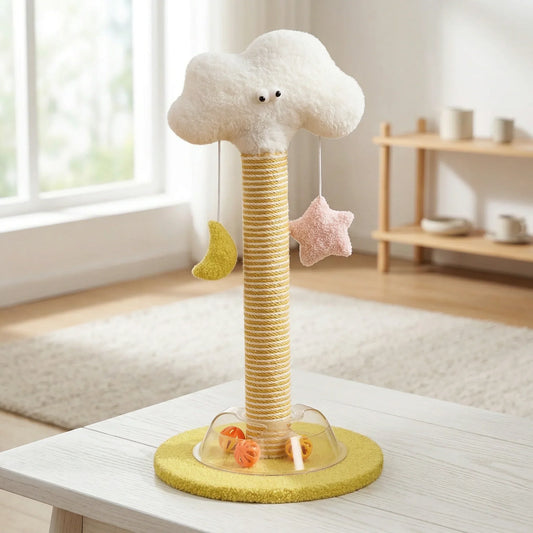
Articulate Cartoon Cloud Scratching Post with Ball Track Base – Vertical cat scratchers Play Station
Articulate Cartoon Cloud Scratching Post with Ball Track Base 2-in-1 Turntable & Vertical Cat Scratcher Introduce a bit of magic into your house with the Cloud Cat Scratcher. And this fun cat scratcher is not just one tool for claw care — it’s all...- $39.97 AUD
$45.95 AUD- $39.97 AUD
- (-13%)
- Unit price
- per
-
Vendor: PETROOM
2-in-1 Cat Scratchers Bed Avocado Style
2-in-1 Cat Scratcher Bed Avocado Style The Ultimate Scratch & Sleep Spot Treat your cat friend to the ultimate cat bed and scratcher suite. This bionic avocado-shaped round cat scratcher is not just a spiffy piece of home decor with a playful feeling; it...- $32.96 AUD
$39.95 AUD- $32.96 AUD
- (-17%)
- Unit price
- per
-
Vendor: PETROOM
Vertical cat scratchers Board Calendar Style
Vertical cat scratcher Board - Calendar Style Raise your cat's playground with the Calendar Cat Scratching Board, a pretty little solution that both protects your furnishings and works as stylish home decor. Whether you require the necessary large cat scratcher for your growing kitten...- $34.76 AUD
$39.95 AUD- $34.76 AUD
- (-13%)
- Unit price
- per
-
Vendor: PETROOM
Framed Sisal Wall-Mounted Cat Scratching Board – Decorative Vertical Cat Scratcher
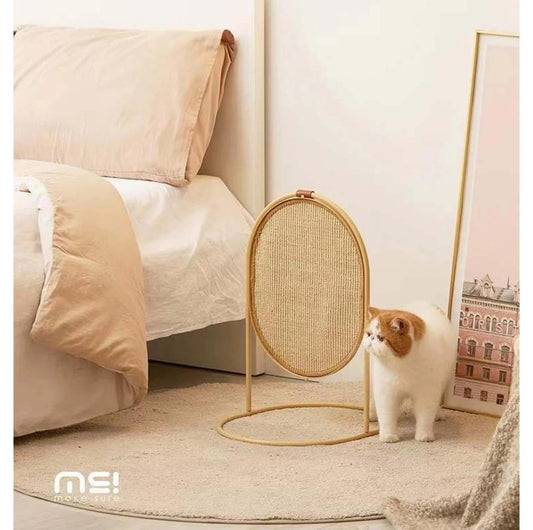
Framed Sisal Wall-Mounted Cat Scratching Board – Decorative Vertical Cat Scratcher Upgrade your home and keep your furniture secure with our modern wall-mounted cat scratcher that is functional, great for your house, and beautiful to look at. The vertical cat scratcher also works as...- from $22.99 AUD
$26.99 AUD- from $22.99 AUD
- (-15%)
- Unit price
- per
-
Vendor: PETROOM
Lucky Money Tree Cat Scratching Post – Durable Sisal Scratching Pole
Lucky Money Tree Cat Scratching Post Provide your kitty a fun and decorative place to scratch – all done with style – with this easy-to-use Lucky Money Tree Cat Scratching Post! Considered an alternative cat tower, this small, durable cat scratching tower keeps your...- $49.95 AUD
$84.99 AUD- $49.95 AUD
- (-41%)
- Unit price
- per
-
Vendor: Petroom
Starry Sky Deep Cat Scratchers Bed Blue
Starry Sky Deep Cat Scratching Bed Give your cat the ultimate scratching and lounging spot with the Starry Sky Deep Cat Scratching Bed. Designed with a durable sisal scratching surface, this bed not only protects your furniture but also promotes healthy claw care and daily...- $38.95 AUD
$49.95 AUD- $38.95 AUD
- (-22%)
- Unit price
- per
-
Blue
-
Pink
-
Vendor: Petroom
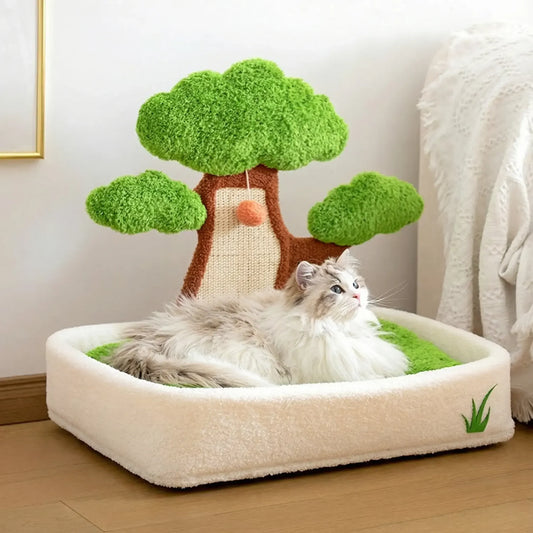
Lucky Tree Style Cat Scratchers Board & Cat Bed
Lucky Tree Style Cat Scratching Board & Cat Bed Multi-Functional Scratching and Resting Space for Cats Provide your cat with a comfortable resting area and an effective scratching outlet! This cat scratching board doubles as a cat bed, perfectly catering...- $54.95 AUD
$59.95 AUD- $54.95 AUD
- (-8%)
- Unit price
- per
-
Vendor: Petroom
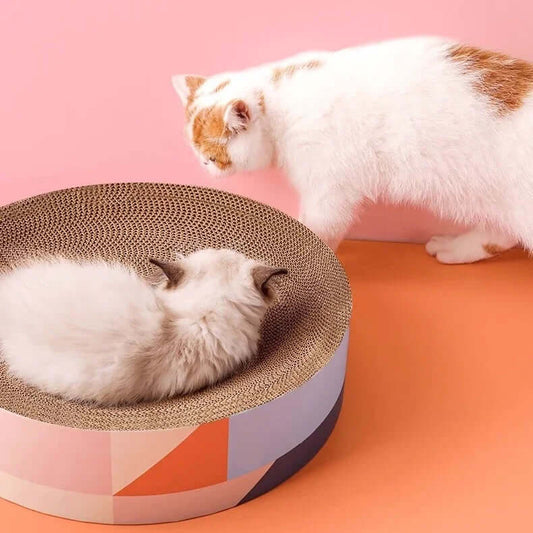
Jumbo Size Oval Cat Scratchers Lounge Bed Durable Corrugated Cardboard Red
Jumbo Size Oval Cat Scratcher Lounge Bed Durable Corrugated Cardboard, Ergonomic & Comfortable Treat your cat to the ultimate lounge and scratch experience with our Oversized Oval Corrugated Cat Scratcher. The spacious oval design provides ample room for lounging, stretching, and full-body scratching, while...- $29.95 AUD
$49.95 AUD- $29.95 AUD
- (-40%)
- Unit price
- per
-
Red
-
Sky Blue
-
Green
-
Blue
-
Vendor: Purroom
PURROOM Super Large Oval Cat Scratchers Little Chicken Series
PURROOM Super Large Oval Cat Scratcher Little Chicken Series For cats, we provide the PURROOM Super Large Oval Cat Scratcher – Little Chicken Series, a delightful and practical cat scratcher bed designed to encourage their comfort and well-being. Designed to look like a chicken-themed...- $58.59 AUD
- $58.59 AUD
- (-0%)
- Unit price
- per
-
Vendor: Petroom
Coconut Cat Scratching Tower with Posts & Toys
Coconut Cat Tree Tower Scratching Post Toys Premium cat furniture for Aussie Homes The Coconut Cat Tree Tower Scratching Post Toys is designed as an all-in-one cat climbing tower for homes that need play, scratching, resting and hiding space in one compact piece. Built...- $55.00 AUD
$69.00 AUD- $55.00 AUD
- (-20%)
- Unit price
- per
-
Vendor: Petroom
Cactus Cat Tree House – Multi-Level Condo with Cat Scratchers
Cactus Cat Tree House – multi-level condo scratching post Give your cat a chic multi-level cat tower for climbing, scratching, and lounging at your feet. Great for Australian pet owners in search of a great-looking, furniture accessible, durable cat tree that complements modern home...- $65.00 AUD
$75.00 AUD- $65.00 AUD
- (-13%)
- Unit price
- per
-
Vendor: Petroom
Petroom Fruit Shape Cat Scratching Ball
Petroom Fruit Shape Cat Scratching Ball Fruit Shape Cat Scratching Ball: Juicy Fun Meets Healthy Scratching Add a burst of fruity fun to your cat’s playtime with our Fruit Shape Cat Scratching Ball! Available in adorable strawberry, orange, and pineapple designs, this 22x22x22cm scratcher...- from $32.99 AUD
$39.99 AUD- from $32.99 AUD
- (-18%)
- Unit price
- per
-
Vendor: Petroom
Galaxy Space Capsule Cat Tree with Scratching Posts - Vertical Scratch & Lounge Station
Galaxy Space Capsule Cat Tree with Scratching Posts Galaxy Space Capsule Cat Tree: Where Adventure Meets Cosmic ComfortLaunch your feline astronaut into a universe of fun with the Galaxy Space Capsule Cat Tree! This 30x30x36cm vertical playground combines interstellar style with purr-fect functionality,...- $35.07 AUD
$64.95 AUD- $35.07 AUD
- (-46%)
- Unit price
- per
-
Vendor: Petroom
Cat Tree With Scratching Post Galaxy Moon- Sturdy Galaxy Tower for Bigger Cats
Cat Tree With Scratching Post Galaxy Moon Nest & Space Capsule Galaxy Moon Nest & Space Capsule Cat Tree: A Cosmic Aussie Cat Tree for Curious Explorers. Take your cat on an out-of-this-world adventure with the Galaxy Moon Nest & Space Capsule Cat Tree...- $124.99 AUD
$164.99 AUD- $124.99 AUD
- (-24%)
- Unit price
- per
-
Vendor: Petroom
Galaxy Space Walk Cat Bed Cat Scratchers
Galaxy Space Walk Cat Bed & Scratcher: A Cosmic Oasis for Play and Rest Elevate your cat’s daily routine to stellar heights with the Galaxy Space Walk Cat Bed & Scratcher! This innovative dual-purpose design merges a snug celestial bed with textured sisal scratching surfaces,...- $54.95 AUD
$74.95 AUD- $54.95 AUD
- (-27%)
- Unit price
- per
-
Vendor: Petroom
Galaxy Time Tunnel Cat Scratching Tower
Galaxy Time Tunnel Cat Scratching Tower Meet your feline friend on an interstellar trip with the Galaxy Time Tunnel Cat Tree, an intelligent, fun-filled Australian cat scratching tower. A cat scratching tower with multiple platforms, a comfy built-in cat bed, and scratch surfaces for cat...- $125.00 AUD
$199.00 AUD- $125.00 AUD
- (-37%)
- Unit price
- per
-
Vendor: Petroom
Galaxy Space Capsule Cat Scratching Posts
Galaxy Space Capsule Cat Scratching Posts: Claw Care Meets Cosmic Exploration Launch your cat’s scratching routine into orbit with the Galaxy Space Capsule Cat Scratching Posts! Designed to mimic futuristic rocket boosters, these space-themed posts blend rugged sisal texture with celestial style, satisfying your cat’s...- $29.95 AUD
$54.95 AUD- $29.95 AUD
- (-45%)
- Unit price
- per
-
Vendor: Lucky Seven
Galaxy Echo Super cat tree for large cats - Scratching Post (Height 170cm)
Galaxy Echo Super Large Cat Tree With Scratching Post (Height 170cm) The Sisal Scratching Post has both a 5-storey and a Sun Roof Top. Raise your cat’s indoor playground to a new level with the Premium Cloud Cat Tower, a high-level and fun cat...- $189.00 AUD
- $189.00 AUD
- (-0%)
- Unit price
- per
-
Vendor: Makesure
Makesure Nino Cat Scratching Post Cat Scratcher White
Pre-order Makesure Nino Cat Scratching Post Cat Scratcher Adjustable Tall Cat Scratcher for Single or Multi-Cat Homes Inspired by the shape of a growing tree, the Makesure Nino Cat Scratching Post (Niño) represents vitality, strength, and natural feline behaviour. Designed for both play and...- $122.95 AUD
$129.00 AUD- $122.95 AUD
- (-5%)
- Unit price
- per
-
White
-
Dark Green
-
Vendor: Makesure
MAKESURE 3-in-1 Cat Scratcher Bed and Side Table Purple
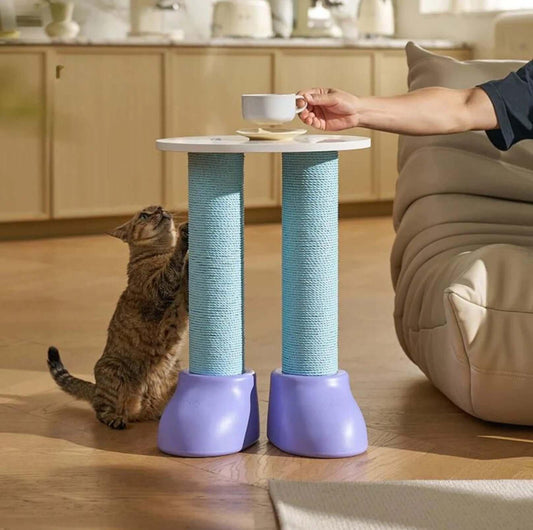
MAKESURE 3-in-1 Cat Scratcher, Bed, and Side Table - Stylish Feline Furniture Multi-Use Design: Serves as a cat scratcher, bed, and stylish side table. Unique Boot Shape: A conversation-starting centerpiece that's also a cozy hideaway for your cat. Space-Saving Elegance: Blends seamlessly with your...- from $116.00 AUD
- from $116.00 AUD
- (-0%)
- Unit price
- per
-
Purple
-
Green
-
Vendor: Makesure
Makesure Multifunctional Sisal Cat Scratchers Beige
Makesure Multifunctional Sisal Cat Scratcher Designed for cats that need a durable scratching surface and a flexible furniture-style piece, the Makesure Multifunctional Sisal Cat Scratcher works as both a practical scratcher and a home-friendly lounging accessory. Made with natural sisal and stainless steel, it...- $89.00 AUD
$99.00 AUD- $89.00 AUD
- (-10%)
- Unit price
- per
-
Avocado Green
-
Beige
-
Basil Green
-
Vendor: Purroom
PURROOM Square-Shaped Cat Scratcher House Little Chicken Series
PURROOM Square-Shaped Cat Scratcher House Little Chicken Series Give your cat the perfect place to scratch, play, and relax with the PURROOM Square-Shaped Cat Scratcher House from the adorable Little Chicken Series. Designed to be both fun and functional, this stylish scratcher doubles as...- $29.90 AUD
$33.90 AUD- $29.90 AUD
- (-12%)
- Unit price
- per
-
Vendor: Purroom
PURROOM Little Chicken Series Milk Box Cat Scratcher House
The product was created with box-loving cats in mind. The multi-purpose cat trapping board is made of high density corrugated paper and cardboard for long-term use! 32.5*32.5*57 cm (L*W*H) is a paw-fect size. It can take a cat of any shape. A door of the right size...- $29.90 AUD
- $29.90 AUD
- (-0%)
- Unit price
- per
-
Vendor: Purroom
Vertical Cat Scratcher Box Cat Toy (Adjustable in height)
Vertical Cat Scratcher Box Cat Toy (Adjustable in height) PURROOM Little Chick Series Give your cat the perfect place to stretch, scratch, and play with the PURROOM Vertical Cat Scratcher Box—a smart, space-saving cat scratcher box designed to support your cat’s natural scratching instincts...- $35.90 AUD
- $35.90 AUD
- (-0%)
- Unit price
- per
-
Vendor: Purroom
2 In 1 Cat Scratcher Box PURROOM Little Chick Series
2 In 1 Cat Scratcher Box – PURROOM Little Chick Series Create the ultimate comfort and play zone for your cat with the 2 In 1 Cat Scratcher Box from the PURROOM Little Chick Series. Designed as a lounge cat scratcher, this multifunctional product...- $22.59 AUD
- $22.59 AUD
- (-0%)
- Unit price
- per
-
Vendor: Purroom
PURROOM Little Chicken Series- Round Cat Scratchers Board
PURROOM Little Chicken Series – Round Cat Scratcher Board Add charm and functionality to your cat’s daily routine with the PURROOM Little Chicken Series round cat scratcher, designed to blend beautifully into any modern or cozy home. With its elegant chicken-themed style, this scratcher...- from $18.66 AUD
- from $18.66 AUD
- (-0%)
- Unit price
- per
-
Vendor: Lucky Seven
Three Tier Coffee Cup Cat Scratching Tower – Sisal Scratching Posts, Compact Design
Three Tier Coffee Cup Cat Tree Cat Scratcher– Compact Multi-Level Cat Tower with Sisal Scratching Posts The Coffee Cup Cat Tower is a multi-level cat tower that helps your pet get excited, go to bed, and lay some groundwork. Ideal for small spaces but...- $169.00 AUD
$189.00 AUD- $169.00 AUD
- (-11%)
- Unit price
- per


Vendor:
Inaba
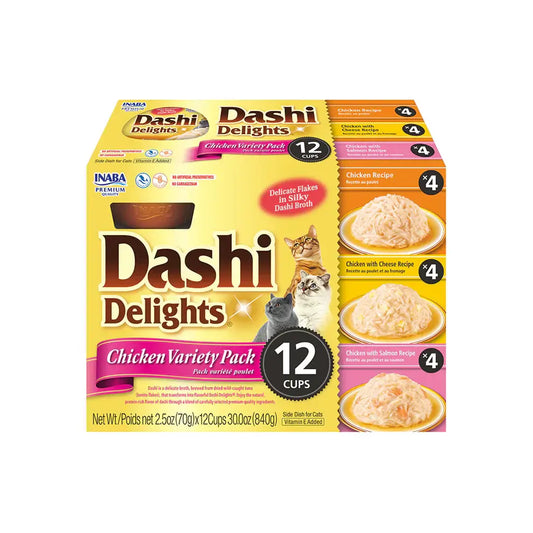
INABA Dashi Delights Chicken Variety Pack Cat Treats 12 Cups
INABA Dashi Delights Chicken Variety Pack Cat Treats 12 Cups Description INABA Dashi Delights are premium single-serve cat food toppers crafted from tender shreds of farm-raised chicken, bathed in a warm, savoury dashi broth made from wild-caught bonito flakes — the same traditional Japanese...
- $31.95 AUD
$44.95 AUD- $31.95 AUD
- (-29%)
- Unit price
- per
Vendor:
Inaba
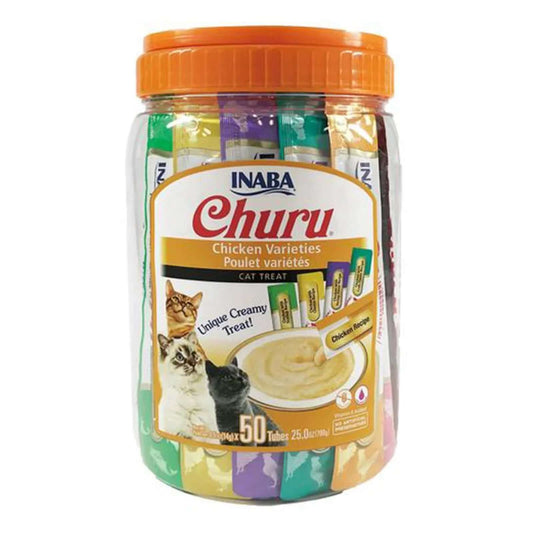
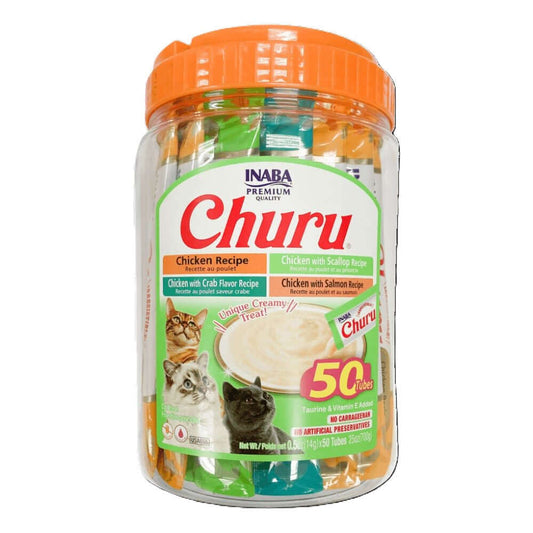
INABA Churu Puree Cat Treats - Chicken Varieties Bulk Pack 50 x 14g
INABA Churu Puree Cat Treats - Chicken Varieties Bulk Pack [Product Overview] Give your cat the ultimate poultry feast with the INABA Churu Chicken Variety Box. This bulk 50-pack tub features five mouth-watering, chicken-based flavors, providing a protein-rich and varied snacking experience for your...
- $38.98 AUD
$58.99 AUD- $38.98 AUD
- (-34%)
- Unit price
- per
Vendor:
Inaba
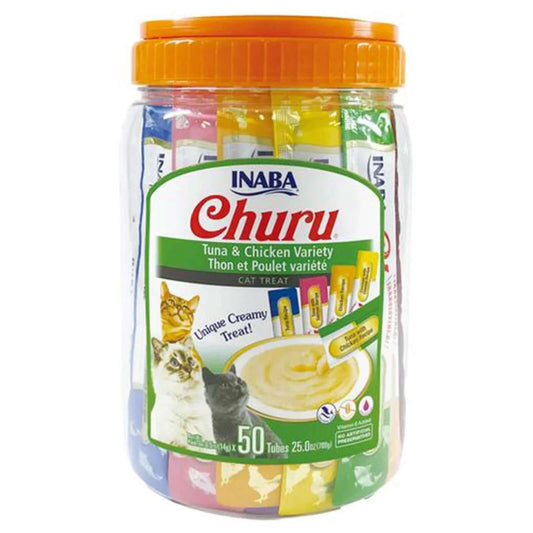
INABA Churu Puree Cat Treats - Tuna & Chicken Varieties Bulk Pack 50 x 14g
INABA Churu Puree Cat Treats - Tuna & Chicken Varieties Bulk Pack Can't decide between seafood or poultry? The INABA Churu Tuna & Chicken Variety Box offers the best of both worlds. This bulk 50-pack tub features five surf-and-turf inspired recipes, combining high-quality wild-caught...
- $38.98 AUD
$58.99 AUD- $38.98 AUD
- (-34%)
- Unit price
- per
Vendor:
Inaba
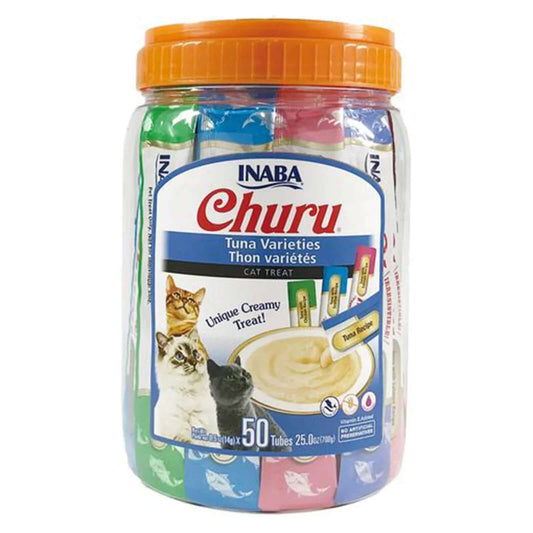
INABA Churu Puree Cat Treats - Tuna Varieties Bulk Pack 50 x 14g
INABA Churu Puree Cat Treats - Tuna Varieties Bulk Pack [Product Overview] Treat your cat to the world’s most popular lickable treat with the INABA Churu Tuna Variety Box. This bulk 50-pack tub features four delicious, tuna-based flavors designed to entice even the fussiest...
- $38.98 AUD
$58.99 AUD- $38.98 AUD
- (-34%)
- Unit price
- per
Vendor:
Inaba
INABA Churu Puree Cat Treats Chicken & Seafood Variety 50 x 14g
INABA Churu Puree Cat Treats Chicken & Seafood Variety (50 x 14g Tubes) Treat your cat to the delicious taste of INABA Churu Puree Cat Treats, a smooth and delicious, lickable snack incorporating real chicken and seafood from INABA Churu Puree, to your cat!...
- $38.98 AUD
$58.99 AUD- $38.98 AUD
- (-34%)
- Unit price
- per
Vendor:
Inaba
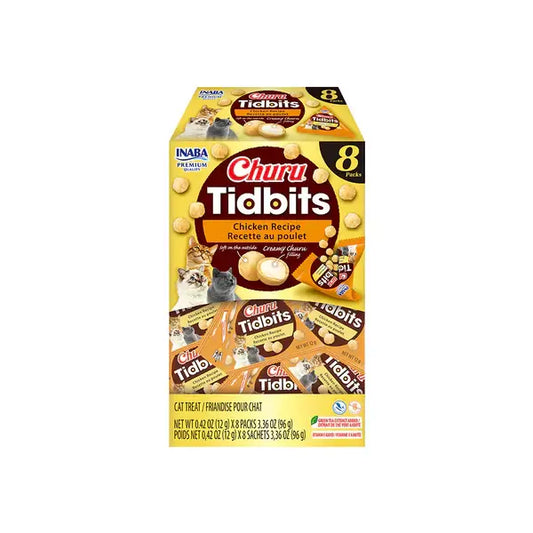
INABA Churu Tidbits Chicken Recipe 96g (8 x 12g Packs)
INABA Cat Churu Tidbits Chicken Recipe 12g x 8 Packs (96g) Treat your cat to the ultimate snack experience with INABA Cat Churu Tidbits Chicken Recipe — the grain-free cat treat Australia's most demanding felines can't resist. Designed by INABA, one of the world's most...
- $13.59 AUD
$15.99 AUD- $13.59 AUD
- (-15%)
- Unit price
- per
Vendor:
Inaba
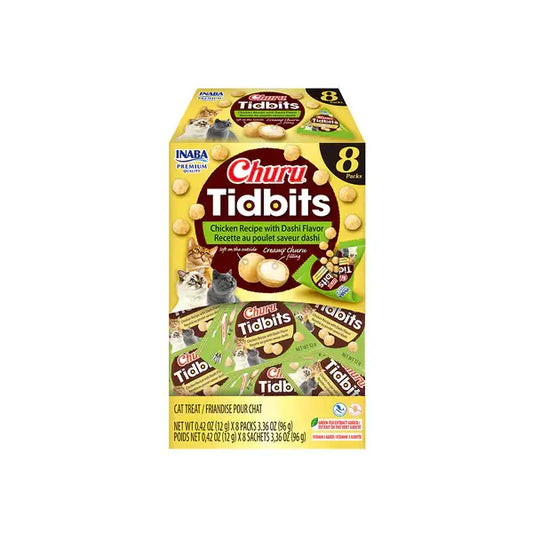
INABA Churu Tidbits Chicken With Dashi Flavor (8 x 12g Packs)
INABA Churu Tidbits Chicken With Dashi Flavor (8 x 12g Packs) Cater your cat to the grandest snack offering with INABA Cat Churu Tidbits Chicken With Dashi Flavor— the grain-free cat treat Australia’s most demanding cats cannot resist. With INABA, one of the world’s...
- $13.59 AUD
$15.99 AUD- $13.59 AUD
- (-15%)
- Unit price
- per
Vendor:
Inaba
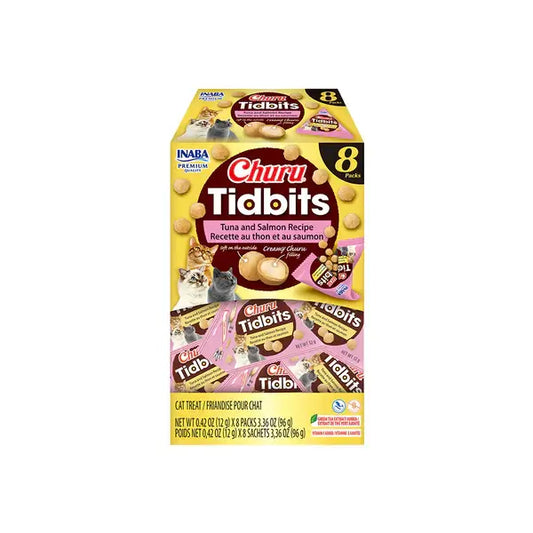
INABA Churu Tidbits Tuna And Salmon Flavor (8 x 12g Packs)
INABA Churu Tidbits Tuna And Salmon Flavor (8 x 12g Packs) Soft and indulgent treats filled with creamy Churu in every bite. INABA products contain yummy, high-quality ingredients from farm-raised chicken and wild-caught tuna. Convenient, portion-controlled packs for on-the-go delivery. If your cat is drawn...
- $13.59 AUD
$15.99 AUD- $13.59 AUD
- (-15%)
- Unit price
- per
Vendor:
Meaty Treaty
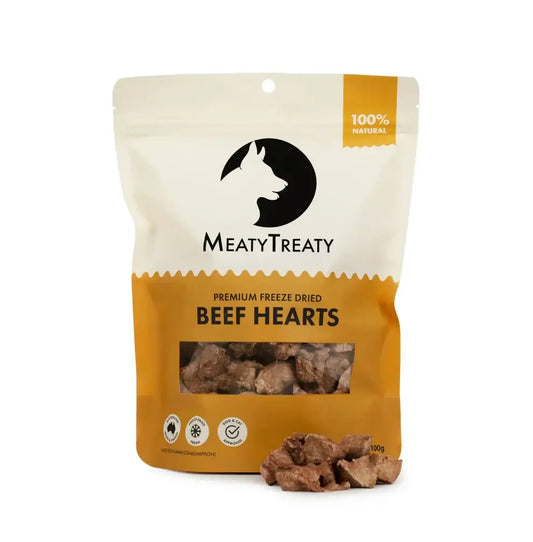
Meaty Treaty Freeze Dried Beef Hearts Australian Treats for Dogs & Cats 100g
Meaty Treaty Freeze Dried Beef Hearts Healthy Dogs & Cats Treats 100g We give your pet the ultimate reward with savory Meaty Treat Beef Hearts. The ultra-pure meats of premium raw food offer a whole range of energy that you’ll find anywhere – especially...
- $14.99 AUD
$19.99 AUD- $14.99 AUD
- (-25%)
- Unit price
- per
Vendor:
Meaty Treaty
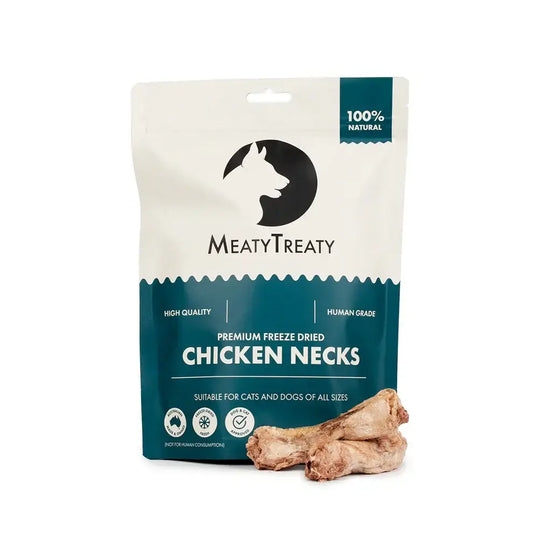
Meaty Treaty Freeze Dried Chicken Neck Healthy Australia Dogs & Cats Treats 100g
Meaty Treaty Freeze Dried Chicken Neck Healthy Dogs & Cats Treats 100g Looking for a healthy, single-protein pet treat? We hope that those tails will continue to wag and teeth sparkle. Raw Chicken Necks are a nutrient-dense snack intended for joint mobility and dental...
- $12.79 AUD
$15.99 AUD- $12.79 AUD
- (-20%)
- Unit price
- per
Vendor:
Meaty Treaty
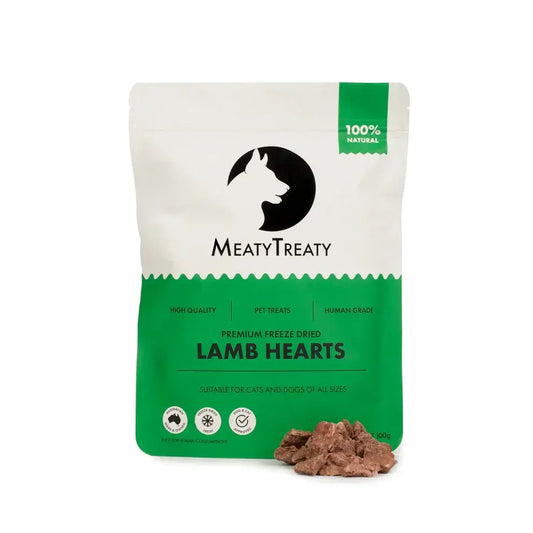
Meaty Treaty Freeze Dried Lamb Hearts for Dogs & Cats – Cat Treats Australia 100g
Meaty Treaty Freeze Dried Lamb Hearts Healthy Dogs & Cats Treats 100g Looking for a healthy, single-protein pet treat? Meaty Treaty Beef Hearts are a powerhouse of nutrition. Our raw Lamb Hearts provide a natural boost of taurine, iron, and zinc—the building blocks for...
- $13.59 AUD
$15.99 AUD- $13.59 AUD
- (-15%)
- Unit price
- per
Vendor:
Meaty Treaty
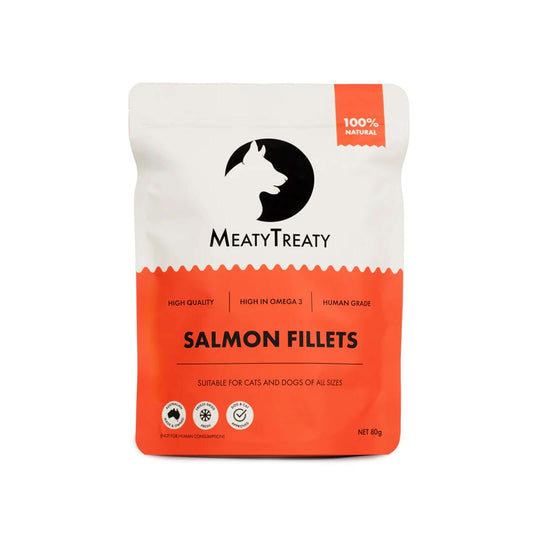
Salmon Fillet Freeze Dried Treats For Cats & Dogs 80g
Salmon Fillet Freeze Dried Treats For Cats & Dogs 80g Be Sure To Buy 100% Human-Grade Fish With Meaty Treaty Salmon Fillets! And instead of mass-produced biscuits containing grains and fillers, our fillets have been vacuum freeze-dried to maintain the nutritional integrity, natural oils,...
- $15.99 AUD
$18.95 AUD- $15.99 AUD
- (-16%)
- Unit price
- per
Vendor:
FREEZY PAWS
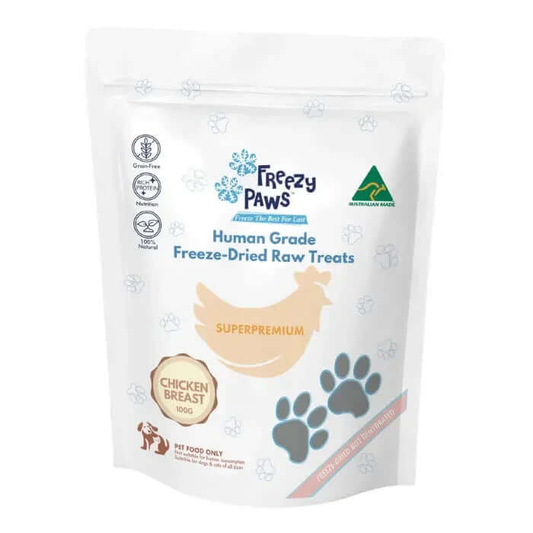
Freezy Paws Freeze Dried Cat Treats Chicken Breast for Dogs & Cats 100g
Freezy Paws Freeze-Dried Chicken Breast Dog & Cat Treats 100g Let’s be real—most pet treats are mystery bags of fillers. If you’re tired of squinting at ingredient labels, Freezy Paws Freeze-Dried Chicken Breast is your "reset button." It’s literally just chicken. No grains, no...
- $17.99 AUD
$21.99 AUD- $17.99 AUD
- (-18%)
- Unit price
- per
Vendor:
FREEZY PAWS
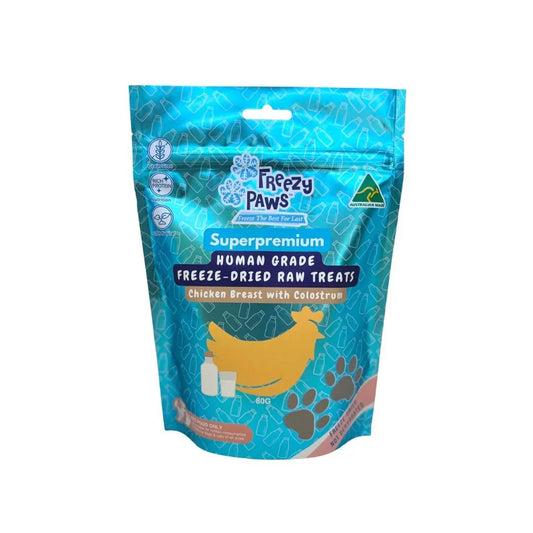
Freezy Paws Freeze Dried Cat Treats Chicken Breast with Colostrum 80g
Freezy Paws Chicken Breast with Colostrum Treats 80g Let’s talk about the "Secret Sauce"—Colostrum. If you’ve got a new puppy or a kitten with a sensitive system, you know the struggle of finding treats that don’t cause a tummy upset. For Petroom, this is...
- $18.99 AUD
$21.99 AUD- $18.99 AUD
- (-14%)
- Unit price
- per
Vendor:
PETROOM
Freezy Paws Freeze Dried Human Grade Chicken Breast Catnip Cat Treats 80g
Freezy Paws Freeze Dried Human Grade Chicken Breast Catnip Cat Treats 80g Freezy Paws, Freeze Dried Cat Treats, Chicken Breast with Catnip, Human Grade Cat Snacks, Catnip Infused Treats, Grain-Free Cat Food, High Protein Kitten Treats, 80g Cat Treats. 【Product Highlights】 Dynamic Duo (Chicken...
- $17.99 AUD
$21.99 AUD- $17.99 AUD
- (-18%)
- Unit price
- per
Vendor:
ZIWI
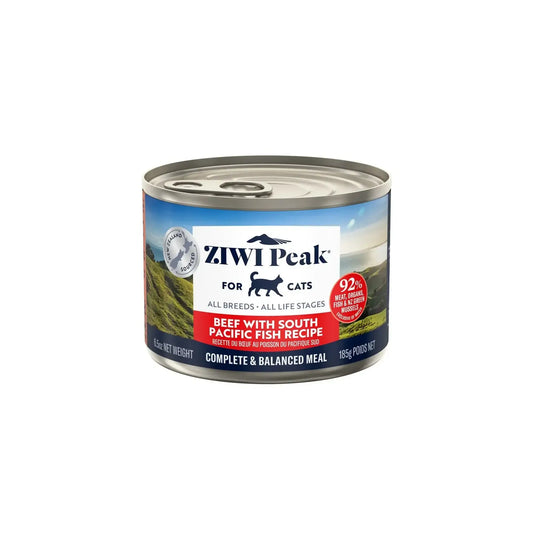
Ziwi Peak Beef With South Pacific Fish Cat Wet Food
Ziwi Peak Beef With South Pacific Fish Cat Wet Food Give your pet the nutrition nature intended with Ziwi Peak Beef and Fish Cat Food, a premium recipe crafted in New Zealand. Each can provides a high-moisture meal that mirrors an ancestral diet. This...
- from $57.95 AUD
$71.99 AUD- from $57.95 AUD
- (-20%)
- Unit price
- per
Vendor:
ZIWI
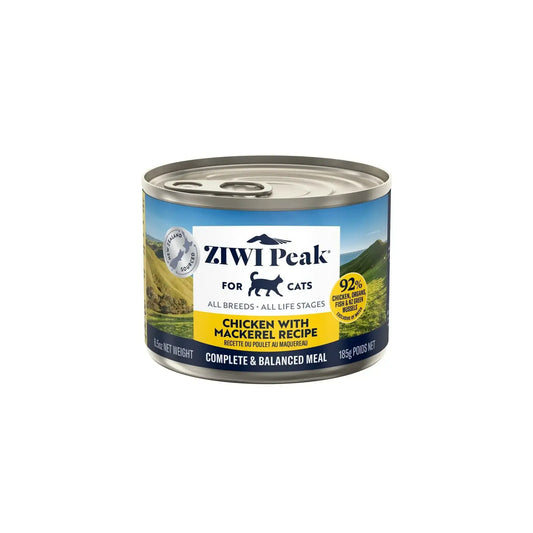
Ziwi Peak Chicken With Mackerel Fish Cat Wet Food
Ziwi Peak Chicken With Mackerel Fish Cat Wet Food Pure protein. Zero compromise. ZIWI Peak Chicken with Mackerel Wet Cat Food provides the nutrition your kitty is hard-wired to want and crave — a rich, moisture-dense pâté prepared with real, ethically sourced ingredients and...
- from $57.95 AUD
$71.99 AUD- from $57.95 AUD
- (-20%)
- Unit price
- per
Vendor:
ZIWI
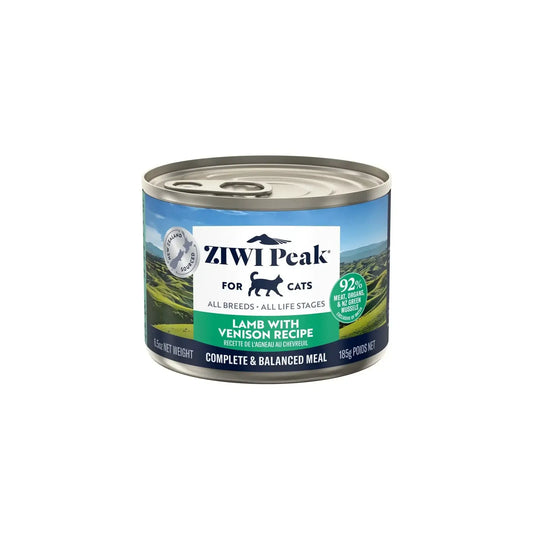
Ziwi Peak Lamb with Venison Cat Wet Food
Ziwi Peak Lamb with Venison Cat Wet Food Treat your pet to Ziwi Peak Lamb Venison Cat Food, a moisture-dense pâté featuring two of New Zealand's finest free-range red meats. This premium cat recipe is ethically sourced and free from fillers, binders, or unnecessary...
- from $57.95 AUD
$71.99 AUD- from $57.95 AUD
- (-20%)
- Unit price
- per
Vendor:
PETROOM
Articulate Cartoon Cloud Scratching Post with Ball Track Base – Vertical cat scratchers Play Station
Articulate Cartoon Cloud Scratching Post with Ball Track Base 2-in-1 Turntable & Vertical Cat Scratcher Introduce a bit of magic into your house with the Cloud Cat Scratcher. And this fun cat scratcher is not just one tool for claw care — it’s all...
- $39.97 AUD
$45.95 AUD- $39.97 AUD
- (-13%)
- Unit price
- per
Vendor:
PETROOM
Rileycat Pine Bonsai Pet Bed – Creative cat tree for large cats XL
Rileycat Pine Bonsai: The Perfect Luxury Cat Bed & Zen Resort XL Bring up the comfort of your home and your pet with the Rileycat Pine Bonsai, a masterpiece of Japanese-style pet furniture. Just a home bed for kitty comfort, this is a high-end...
- $69.95 AUD
$79.95 AUD- $69.95 AUD
- (-13%)
- Unit price
- per












Recently Viewed Products
Cat Scratchers FAQ
Why do cats scratch furniture?
They're not doing it to spite you. Furniture happens to be the most appealing thing in the room — positioned in the middle of family activity, made of materials that resist their claws (woven fabric, leather), tall enough for a full stretch, and stable enough to lean into.
Cats scratch to mark territory (visually, plus scent from glands in their paws), to maintain their claws, to stretch out after sleeping, and as a stress release. None of it is optional behaviour — the goal isn't to stop the scratching but to give them somewhere better to do it.
Our cat scratcher behaviour guide goes deeper into how to redirect it, but the short version is location matters more than people realise — a scratcher next to where they sleep almost always beats one tucked in a corner.
What material is best for a cat scratcher?
Sisal rope and dense corrugated cardboard are the two surfaces most cats reliably take to. Sisal lasts longer; cardboard is cheaper to replace.
The charity International Cat Care puts it well — the material has to "resist the pull from the cat's claws." Soft carpet or fabric loops give too easily; cats can't sink in properly and many give up and go back to the couch. Tightly-wound sisal or honeycomb-structure cardboard both pass that test.
If your cat already shreds rugs, lean cardboard. If they go for the corners of the sofa, lean sisal post.
How tall should a cat scratcher be?
For vertical posts, aim for at least 60 cm. Most adult cats are 45–55 cm long from nose to tail base, and they want to scratch fully extended on their back legs — so the post needs to clear their full standing height with a bit of room to spare.
Cats over 5 kg or large breeds usually need 75–90 cm. The Makesure Nino's 83 cm setting is built for exactly this. Posts shorter than that look like an oversized board to a Maine Coon.
Horizontal scratchers don't have a height requirement, but length does matter — they need to be at least your cat's body length so they can stretch out across the surface.
How do I get my cat to use the scratcher instead of furniture?
Three things, in this order: position, reward, patience.
Position: put the scratcher where the bad scratching is happening — not in the laundry. If your cat scratches the lounge arm, the scratcher goes next to the lounge. Cats are extremely territorial about scratch locations, and moving the post to a "tidier" spot is why most posts go unused.
Reward: when your cat uses the scratcher, follow it up with a treat. A few freeze-dried cat treats placed on or beside the post helps build the association — within a couple of weeks, most cats shift over.
How many cat scratchers do I need?
Rule of thumb: at least one per cat, plus an extra for multi-room homes. Same logic as litter trays — give them options in the rooms they actually spend time in.
Mix forms if you can: one vertical post, one horizontal board, one scratcher bed. Cats often have strong preferences between vertical and horizontal scratching that only become obvious when both are available.
A multi-storey home should have scratchers on each floor. Cats won't always travel up or down to find the right surface — they'll just pick whatever's nearest, and that's often your couch.
How often should I replace a cat scratcher?
When it stops doing its job for them. A heavily-shredded cardboard scratcher, or a sisal post with the rope hanging off in chunks, isn't providing the resistance your cat needs anymore — and they'll drift back to scratching what does work (usually your sofa).
Most cardboard scratchers last 3–6 months for a single cat with a moderate scratching habit. Sisal posts typically run 1–3 years before the rope wears through. Heavy scratchers and multi-cat households shorten both.
A replacement post or a fresh cardboard pad costs less than re-upholstering a single chair. The maths is straightforward.
Why won't my cat use the scratching post I bought?
Almost always one of three things. The post is too short and the cat can't stretch fully. The post is unstable and wobbles when they push. Or it's in the wrong location.
VCA Hospitals' guidance on scratching behaviour highlights placement and texture as the two most common reasons cats reject a scratcher. A perfect post in a quiet spare room loses to a cheap board in the lounge.
Move the post first — that fixes the majority of cases. If that doesn't work, try a different material; a cat that ignores cardboard might take to sisal,


- Choosing a selection results in a full page refresh.
Shop the look
Choose options
Recently viewed
Edit option
Back In Stock Notification
Choose options


